Thoughts on Tourism Linguistics
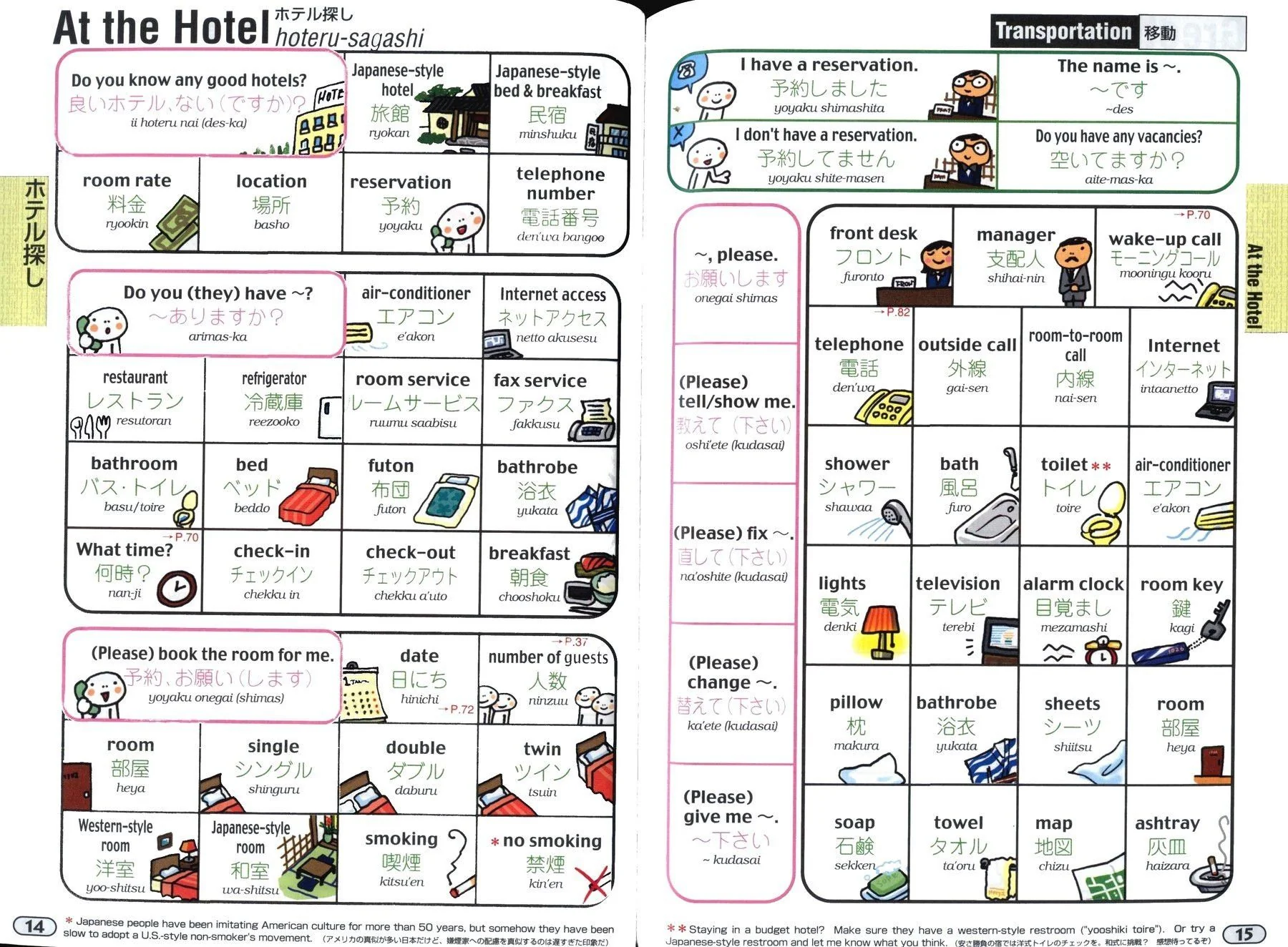
Japan became one of the hottest travel spots globally, but is the nation doing enough to communicate clearly with travelers? As the number of foreign tourists increases, transportation and hotels' multilingual displays are no longer enough. This book helps students of tourism science rethink how places use language to create a more advanced, tourism-friendly culture.
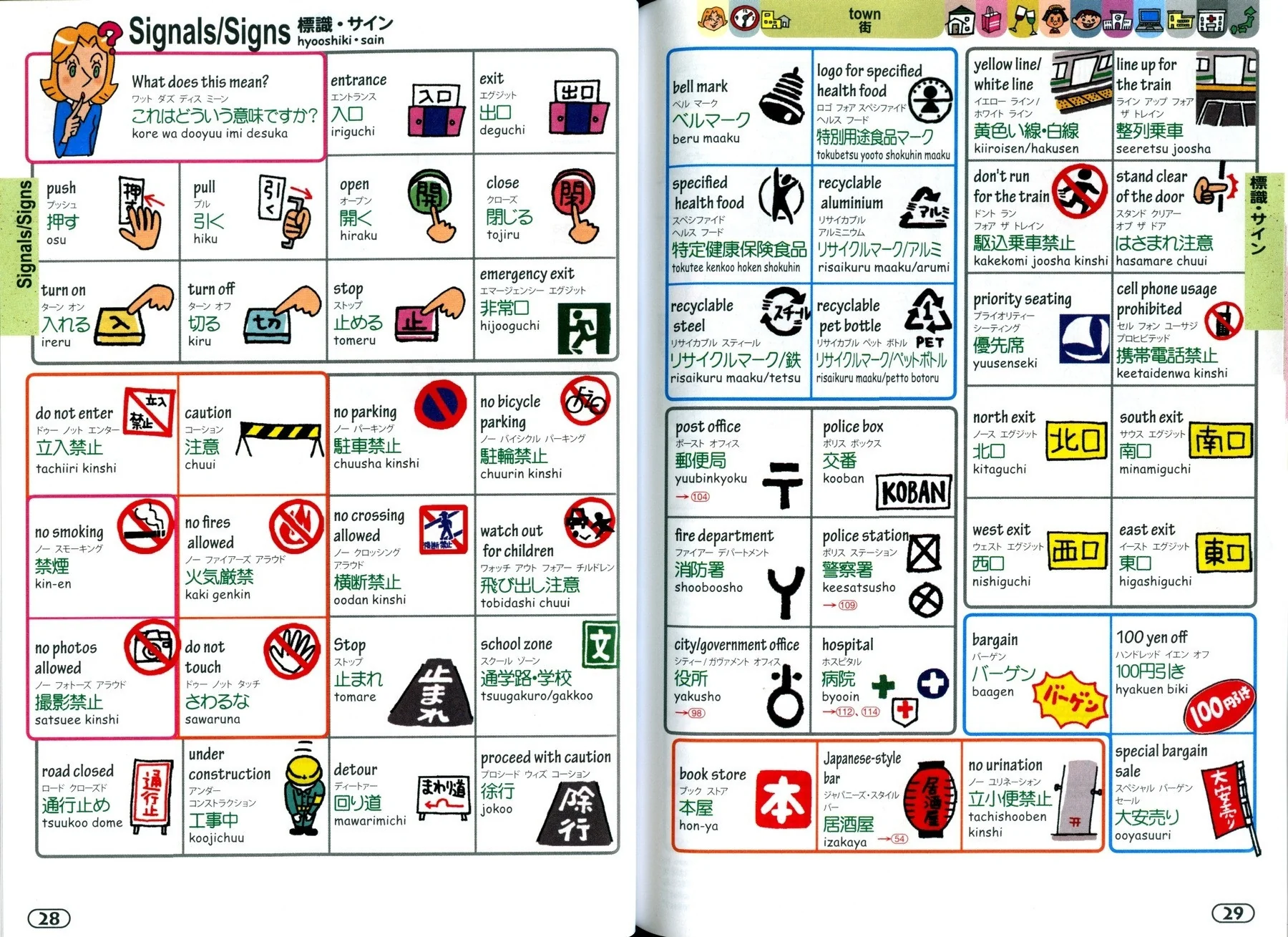
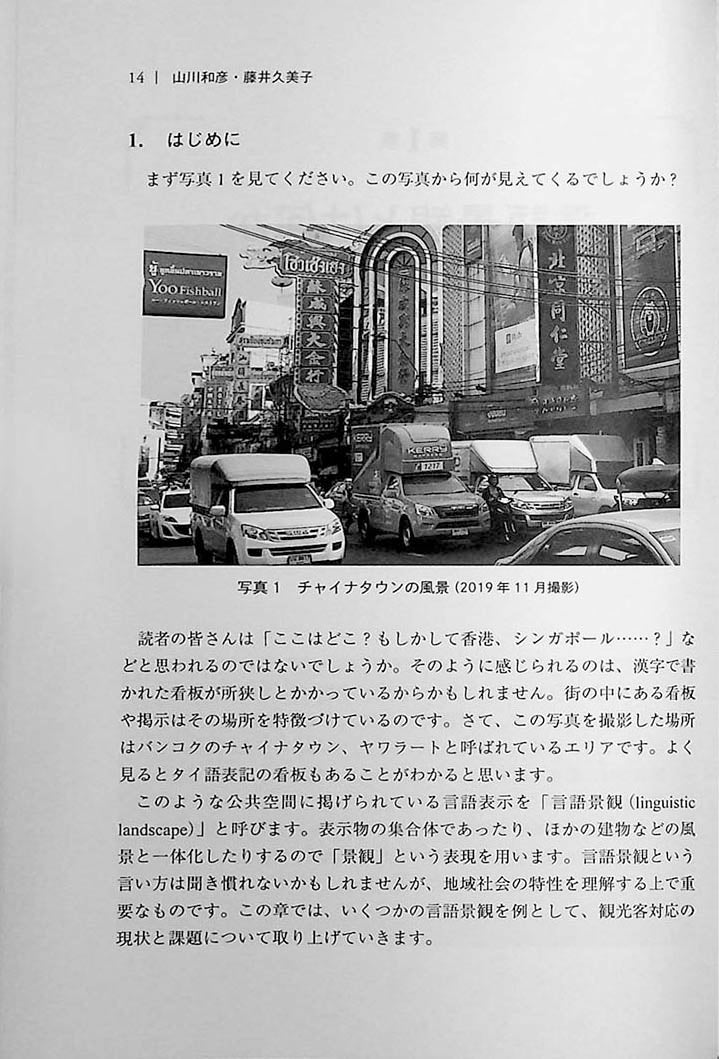
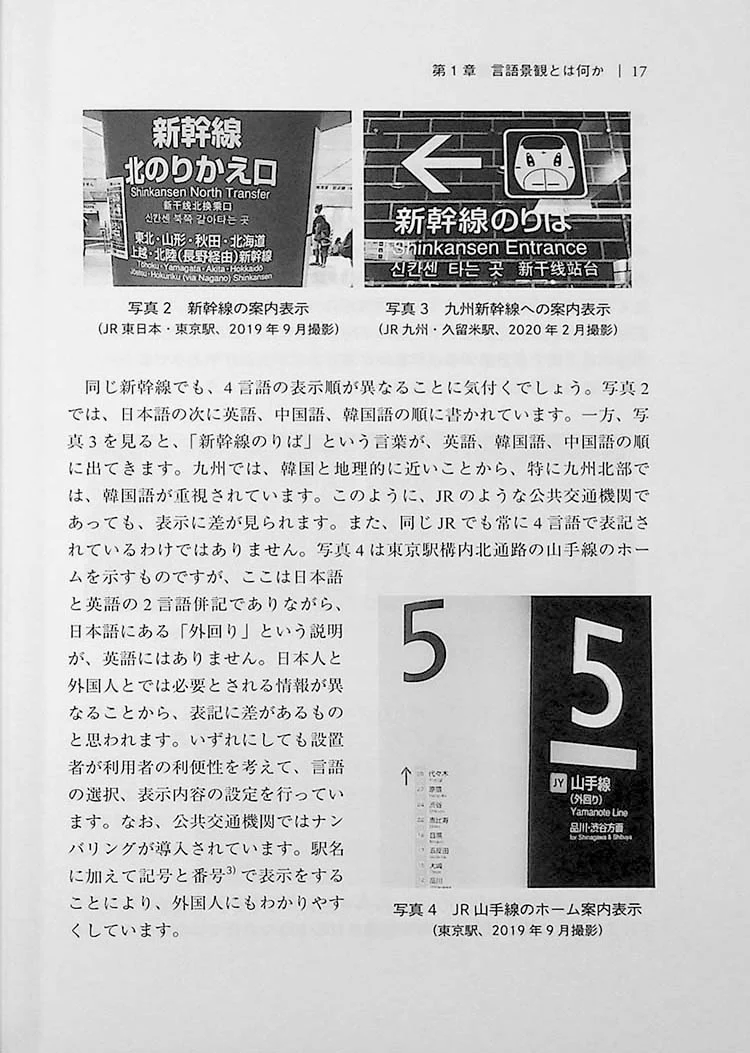
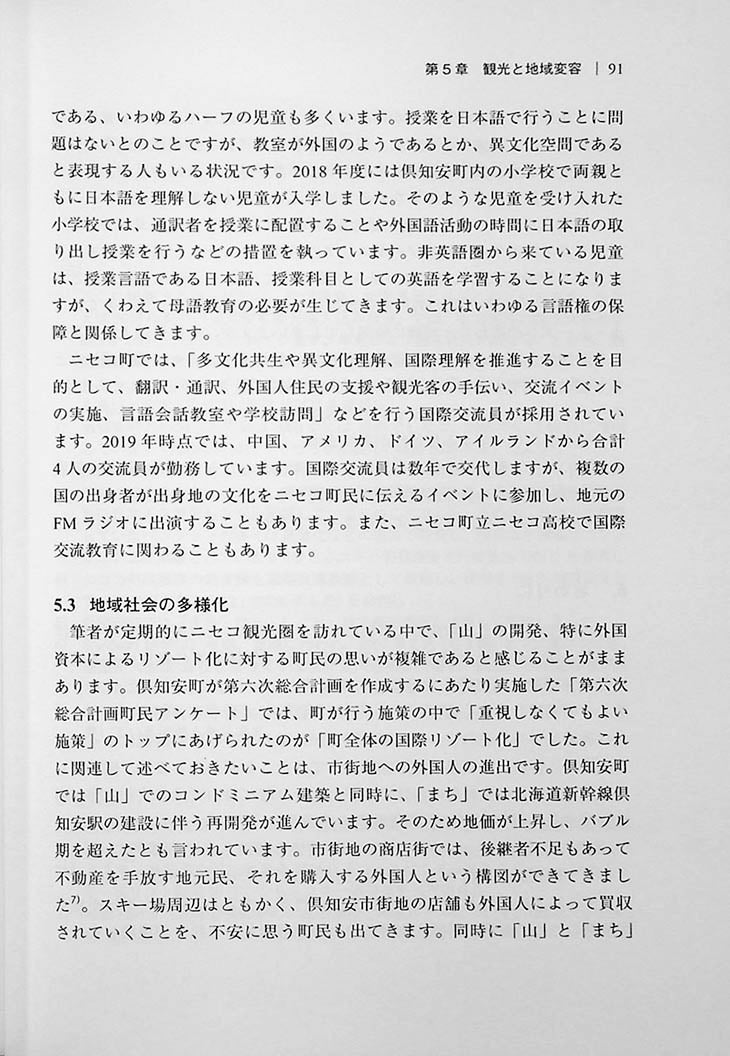
Regardless if from overseas or Japan, effective communication can majorly affect a person’s experience when traveling. The authors of this book went to sightseeing spots around Japan to examine how language supports travelers and what needs to be improved. Chapters focus on general topics such as signage and also language for specific areas such as mountain trails or traditional inns. Detailed analyses on entire regions provide a new perspective on tourism linguistics. Niseko and Amami, found on completely opposite sides of Japan, are fascinating settings for case studies on how a linguistic landscape affects travel in the regions.
Section two details language policies implemented in tourism regions across Japan and important events such as the 1964 Olympics. These historical views enlighten readers on how tourism linguistics has evolved. The final chapters look at the future of how language influences tourism in Japan. This rich guide grants a new perspective that any tourism studies student would appreciate.
Structure
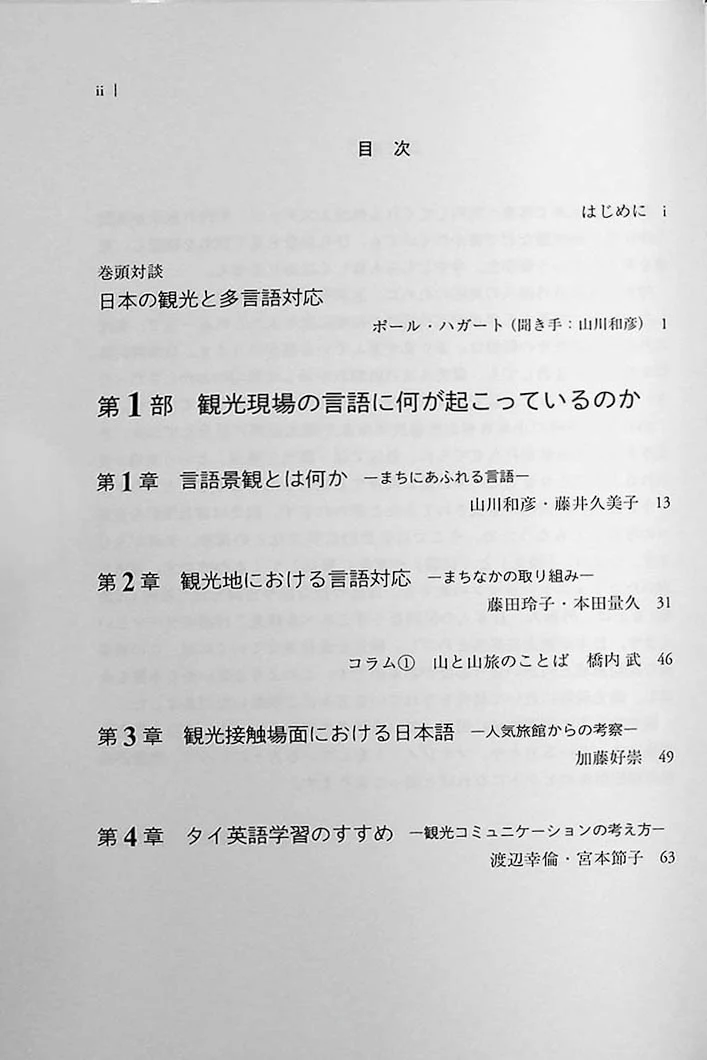
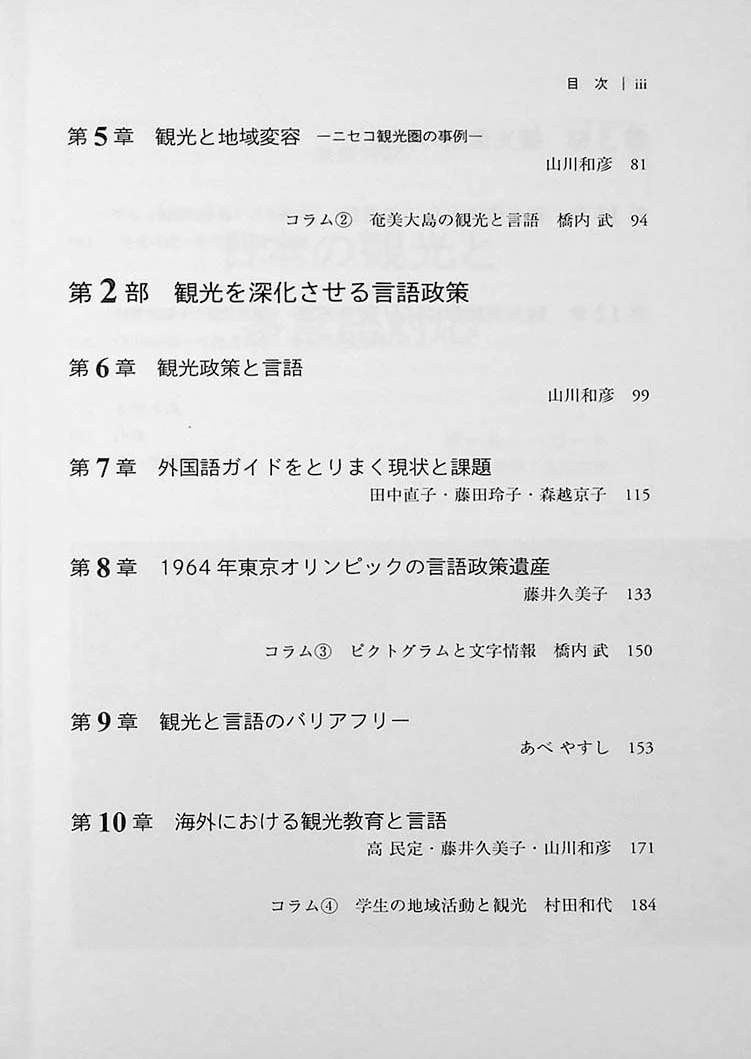
- Twelve chapters in three sections discussing the concept of tourism linguistics along with analyses and proposals about how Japan can improve communication with travelers.
- Every chapter consists of supplementary material such as photographs and charts.
- An index to quickly access specific topics, keywords, or phrases.
Recommended for you if:
- You are a student of tourism science or studies.
- You love traveling in Japan and wish to learn more about the country’s tourism strategy.
- You are an advanced Japanese learner interested in linguistics.
About this volume:
Original Title: 観光言語を考える
Pages: 225
Publishing Date: June 27, 2020
ISBN: 978-4874248379
Languages: Japanese (Hiragana, Katakana, and Kanji)
More Images







Thoughts on Tourism Linguistics
Japan became one of the hottest travel spots globally, but is the nation doing enough to communicate clearly with travelers? As the number of foreign tourists increases, transportation and hotels' multilingual displays are no longer enough. This book helps students of tourism science rethink how places use language to create a more advanced, tourism-friendly culture.
Regardless if from overseas or Japan, effective communication can majorly affect a person’s experience when traveling. The authors of this book went to sightseeing spots around Japan to examine how language supports travelers and what needs to be improved. Chapters focus on general topics such as signage and also language for specific areas such as mountain trails or traditional inns. Detailed analyses on entire regions provide a new perspective on tourism linguistics. Niseko and Amami, found on completely opposite sides of Japan, are fascinating settings for case studies on how a linguistic landscape affects travel in the regions.
Section two details language policies implemented in tourism regions across Japan and important events such as the 1964 Olympics. These historical views enlighten readers on how tourism linguistics has evolved. The final chapters look at the future of how language influences tourism in Japan. This rich guide grants a new perspective that any tourism studies student would appreciate.
Structure
- Twelve chapters in three sections discussing the concept of tourism linguistics along with analyses and proposals about how Japan can improve communication with travelers.
- Every chapter consists of supplementary material such as photographs and charts.
- An index to quickly access specific topics, keywords, or phrases.
Recommended for you if:
- You are a student of tourism science or studies.
- You love traveling in Japan and wish to learn more about the country’s tourism strategy.
- You are an advanced Japanese learner interested in linguistics.
About this volume:
Original Title: 観光言語を考える
Pages: 225
Publishing Date: June 27, 2020
ISBN: 978-4874248379
Languages: Japanese (Hiragana, Katakana, and Kanji)
Product Information
Product Information
Shipping & Returns
Shipping & Returns
Description
Japan became one of the hottest travel spots globally, but is the nation doing enough to communicate clearly with travelers? As the number of foreign tourists increases, transportation and hotels' multilingual displays are no longer enough. This book helps students of tourism science rethink how places use language to create a more advanced, tourism-friendly culture.
Regardless if from overseas or Japan, effective communication can majorly affect a person’s experience when traveling. The authors of this book went to sightseeing spots around Japan to examine how language supports travelers and what needs to be improved. Chapters focus on general topics such as signage and also language for specific areas such as mountain trails or traditional inns. Detailed analyses on entire regions provide a new perspective on tourism linguistics. Niseko and Amami, found on completely opposite sides of Japan, are fascinating settings for case studies on how a linguistic landscape affects travel in the regions.
Section two details language policies implemented in tourism regions across Japan and important events such as the 1964 Olympics. These historical views enlighten readers on how tourism linguistics has evolved. The final chapters look at the future of how language influences tourism in Japan. This rich guide grants a new perspective that any tourism studies student would appreciate.
Structure
- Twelve chapters in three sections discussing the concept of tourism linguistics along with analyses and proposals about how Japan can improve communication with travelers.
- Every chapter consists of supplementary material such as photographs and charts.
- An index to quickly access specific topics, keywords, or phrases.
Recommended for you if:
- You are a student of tourism science or studies.
- You love traveling in Japan and wish to learn more about the country’s tourism strategy.
- You are an advanced Japanese learner interested in linguistics.
About this volume:
Original Title: 観光言語を考える
Pages: 225
Publishing Date: June 27, 2020
ISBN: 978-4874248379
Languages: Japanese (Hiragana, Katakana, and Kanji)