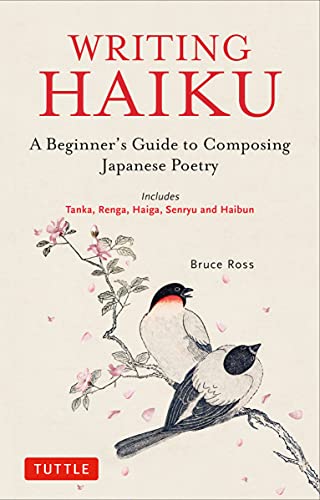
Writing Haiku: A Beginner's Guide to Composing Japanese Poetry
The iconic three-line haiku form of poetry has become increasingly popular over the last decade or so as people embrace the simplicity and grace they carry, as well as the connection to the Japanese ethos of mindfulness and minimalism—say more with fewer words.
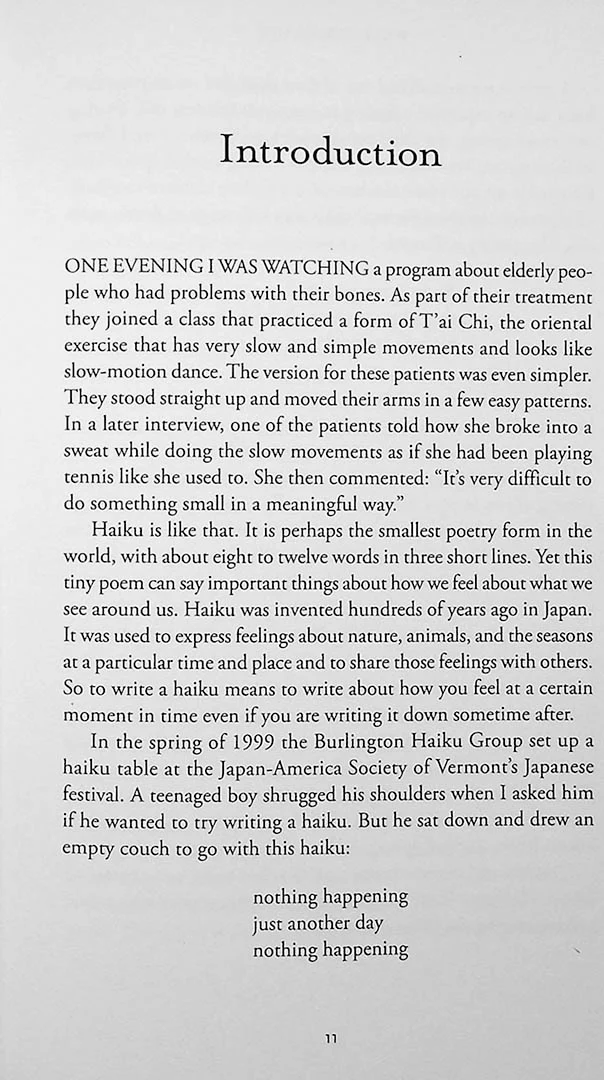
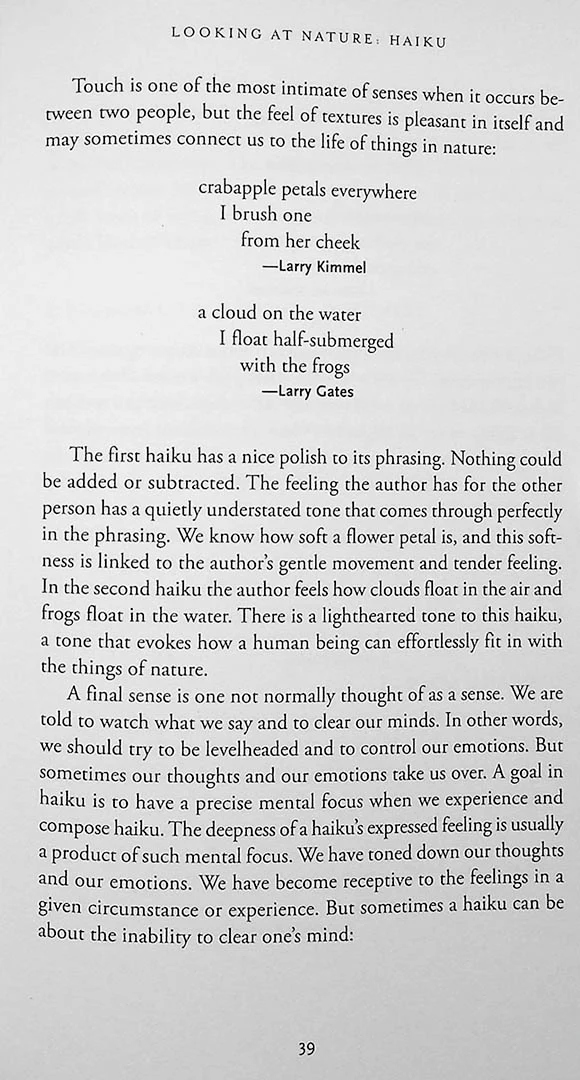
This practical guide by poet and teacher Bruce Ross shows you how to capture a fleeting moment, like painting a picture with words, and how to give voice to your innermost thoughts, feelings, and observations. You don't have to be a practiced poet or writer to write your own haiku, and this book shows you how.
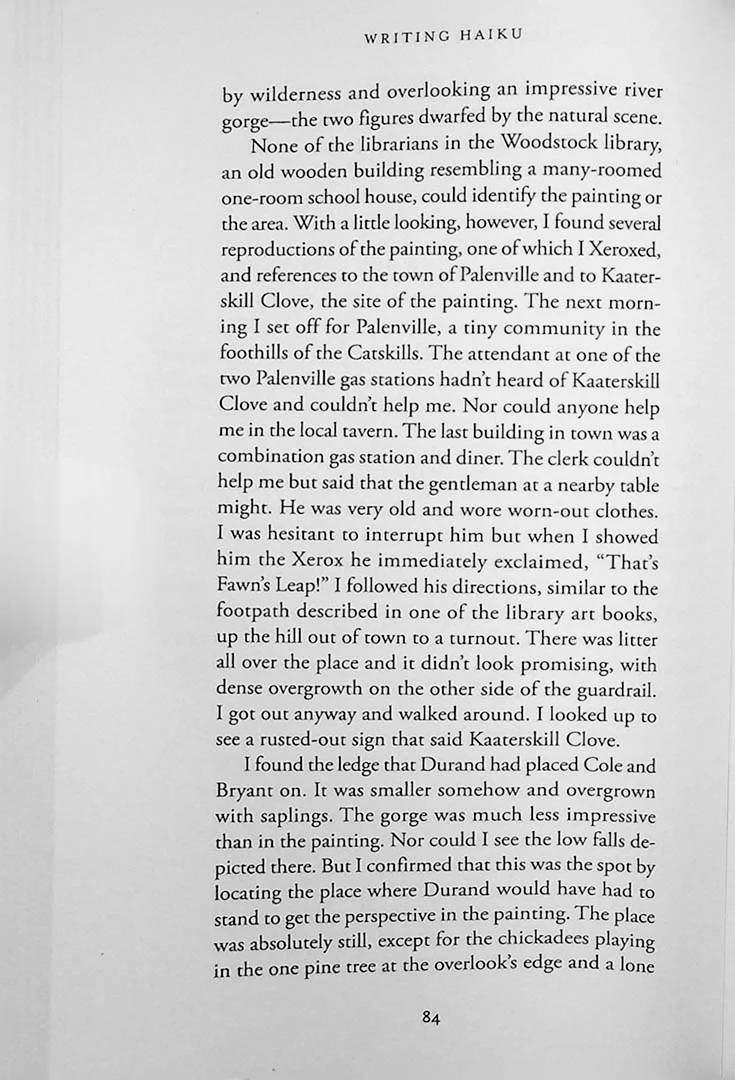
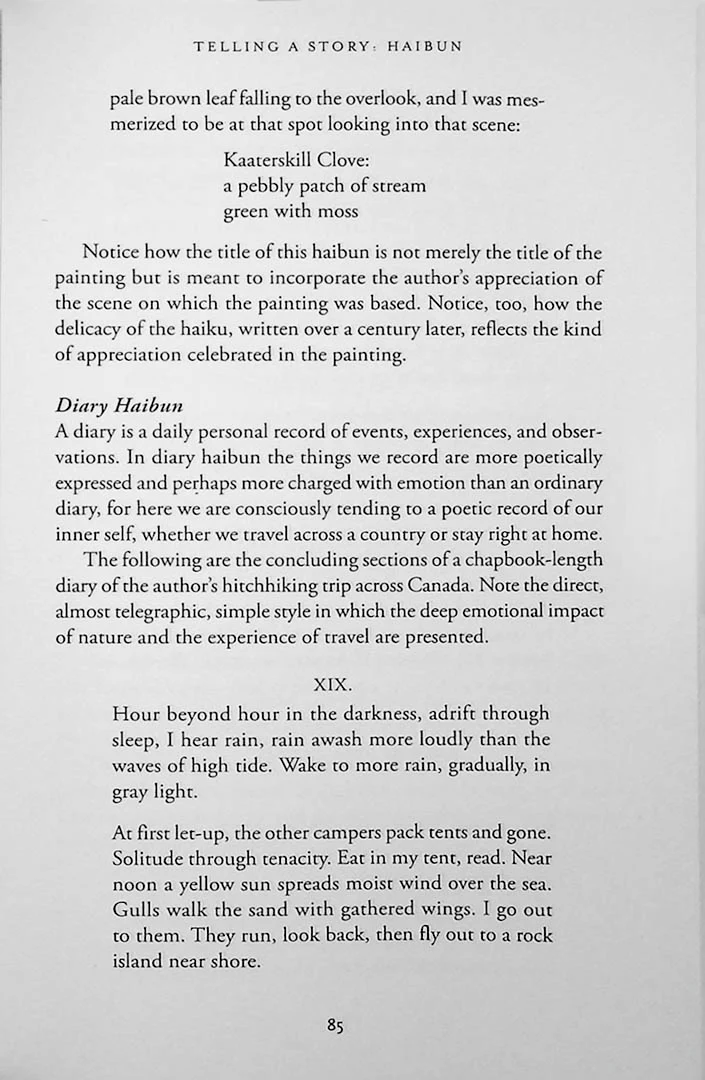
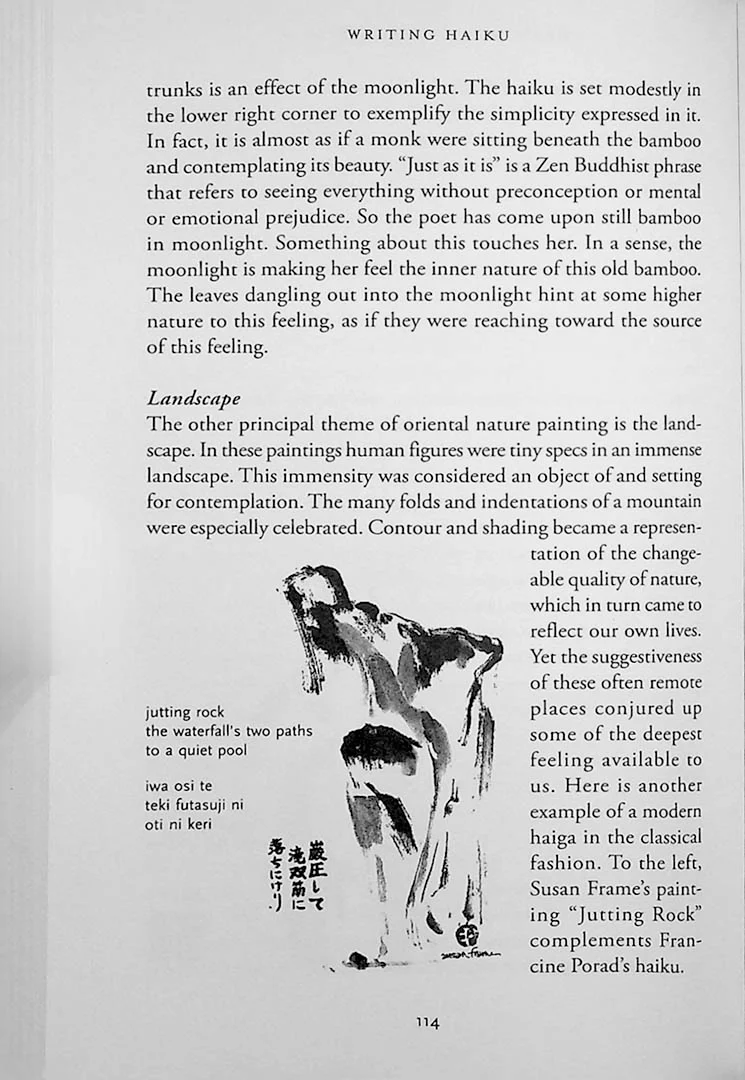
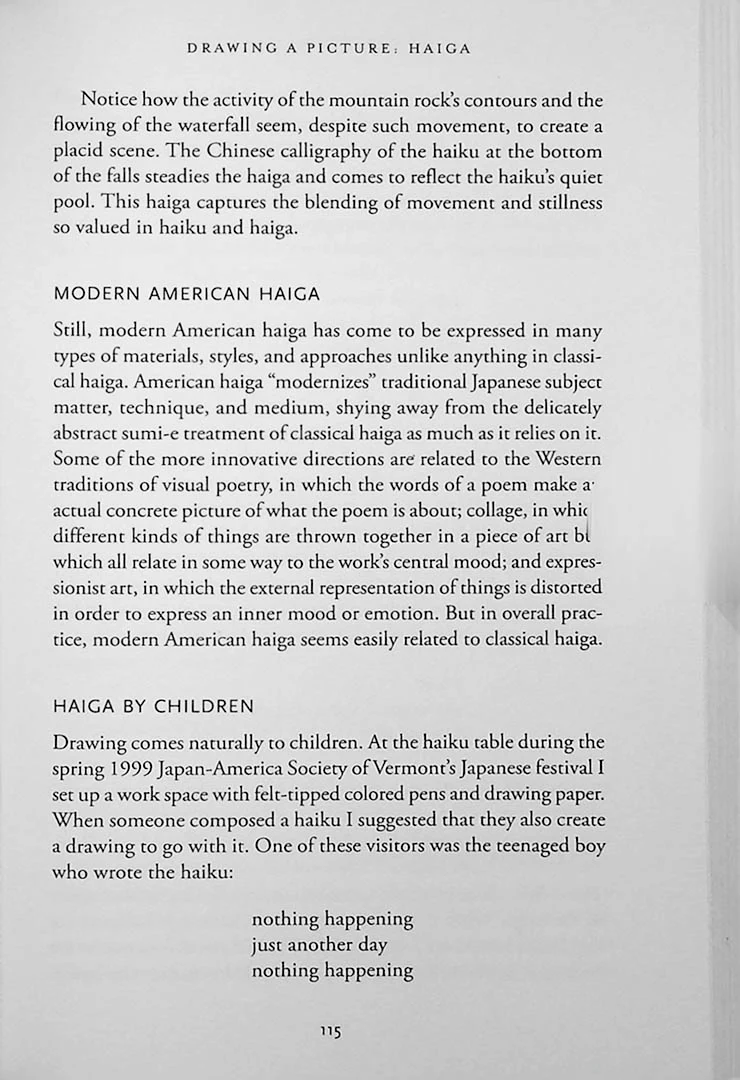
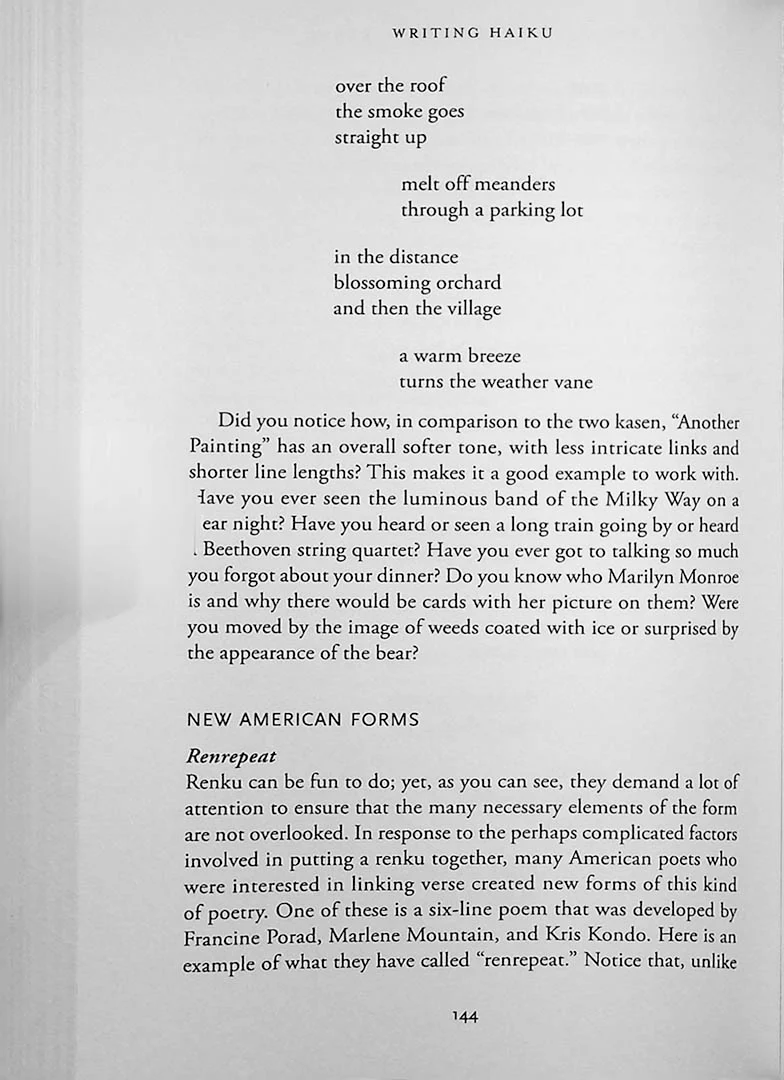
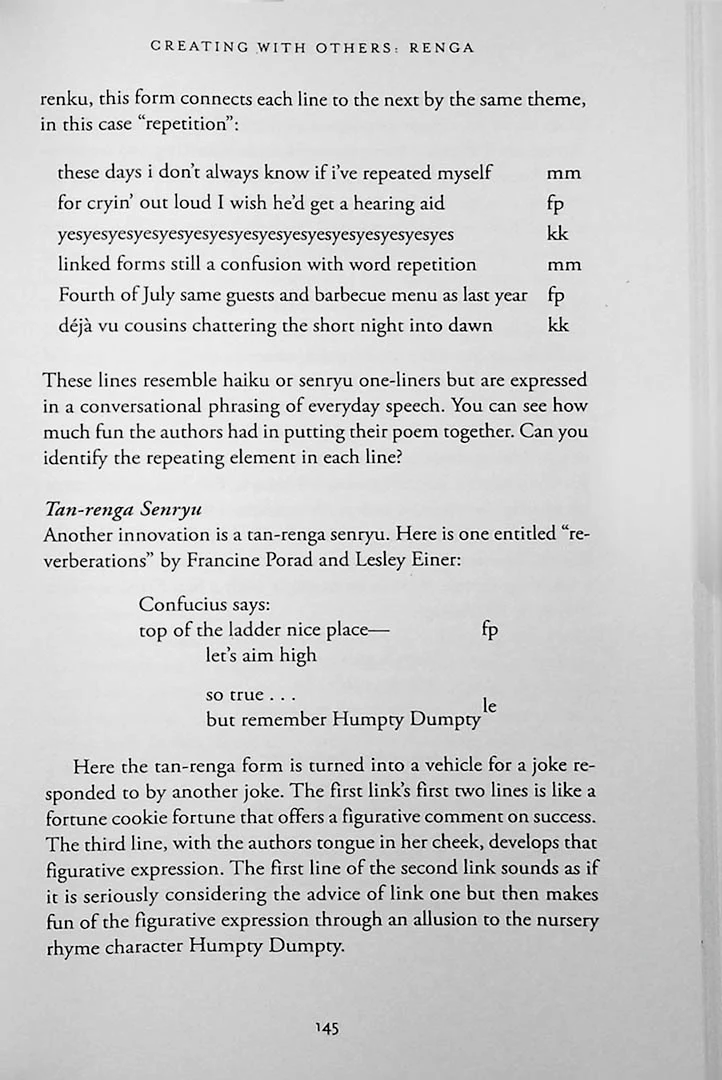
The book opens with a foreword that looks at the state of haiku today as the form of poetry continues to expand in popularity worldwide before giving an introduction to related Japanese haiku forms such as tanka, haiga, renga, haibun, and senryu. The book then provides lots of accessible, easy-to-replicate examples and writing prompts, and there is even a full listing of international journals and online resources.
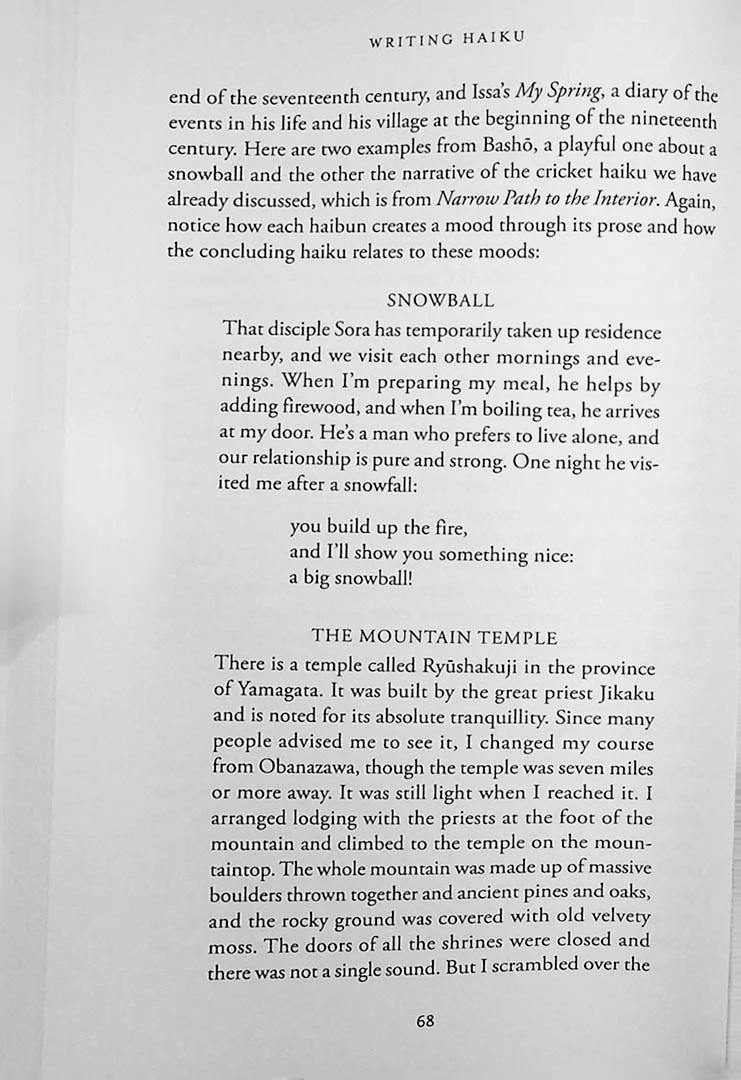
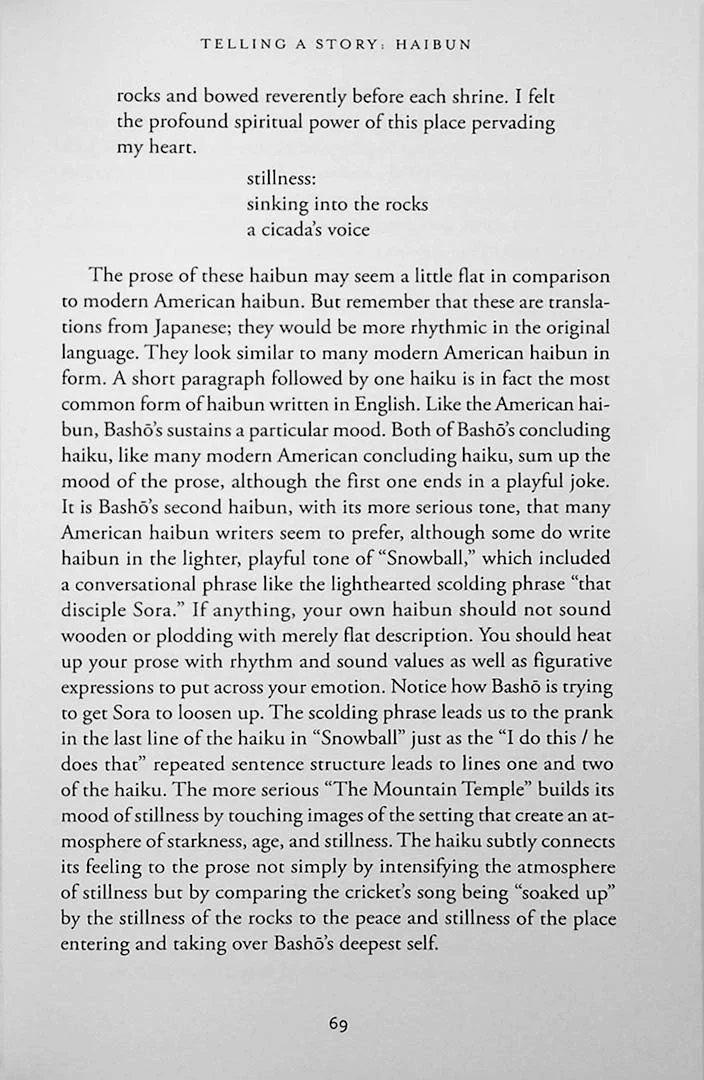
Do you want to tell a story? Give haibun a try. Maybe you want to express a fleeting feeling? A tanka is the perfect vehicle. Are you more visual than verbal? Then a haiga, or illustrated haiku, is the ideal match. Finally, a renga is perfect as a group project or to create with friends, passing a poem around, adding line after line, and seeing what your group effort amounts to.
Author Bruce Ross has lectured on haiku around the world and taught Japanese poetry as a university professor at a number of institutions, including the University of Vermont, the University of Maine, and the University of Alberta. He has edited and written many books on haiku, as well as contributions to international haiku journals and anthologies. In this book, he walks readers through the history and form of haiku before laying out what sets each Japanese poetic form apart. Then it's time to turn to your notebook and start drafting some verses of your own!
A unique and excellent book for all.
Structure:
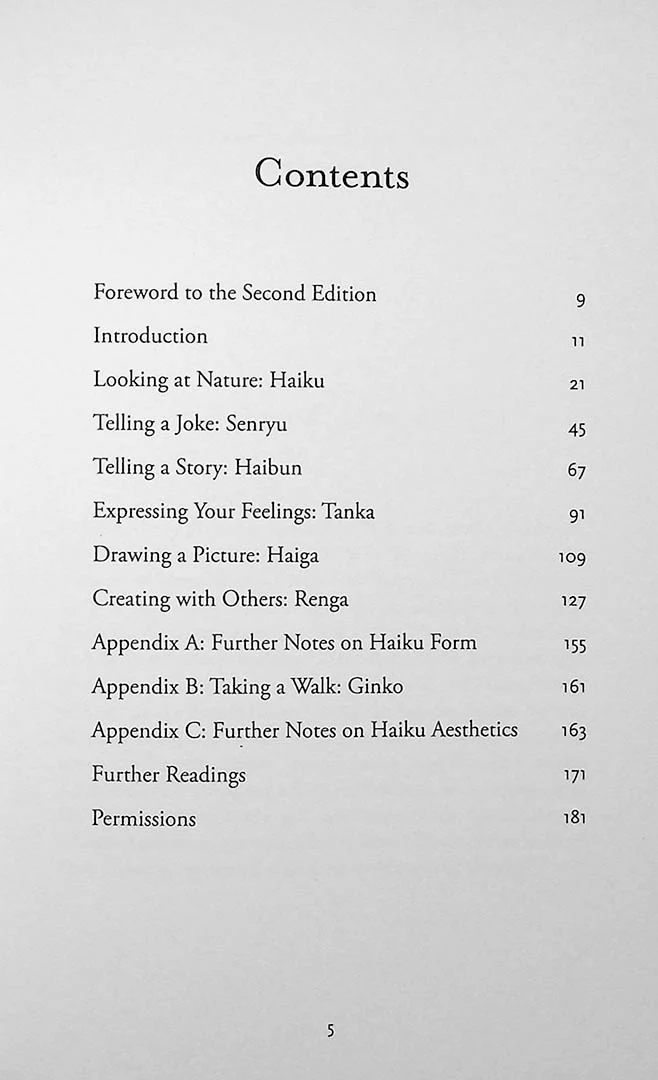
- A foreword, an introduction, 6 dedicated chapters on different types of poetry, 3 appendices, plus further reading suggestions.
Recommended for you if:
- You are interested in haiku and Japanese poetry
- You are interested in Japanese culture
- You are looking to pick up a new skill or hobby
- You want to express yourself in a different way
About this volume:
Original Title: Writing Haiku
Pages: 192
ISBN: 978-4-8053-1688-7
Book Size: B6
Languages: English
Publication Date: March 15, 2022
If you like this, you might like
Manga Yokai Stories
A Beginner’s Guide to Japanese Tea
More Images
Writing Haiku: A Beginner's Guide to Composing Japanese Poetry
The iconic three-line haiku form of poetry has become increasingly popular over the last decade or so as people embrace the simplicity and grace they carry, as well as the connection to the Japanese ethos of mindfulness and minimalism—say more with fewer words.
This practical guide by poet and teacher Bruce Ross shows you how to capture a fleeting moment, like painting a picture with words, and how to give voice to your innermost thoughts, feelings, and observations. You don't have to be a practiced poet or writer to write your own haiku, and this book shows you how.
The book opens with a foreword that looks at the state of haiku today as the form of poetry continues to expand in popularity worldwide before giving an introduction to related Japanese haiku forms such as tanka, haiga, renga, haibun, and senryu. The book then provides lots of accessible, easy-to-replicate examples and writing prompts, and there is even a full listing of international journals and online resources.
Do you want to tell a story? Give haibun a try. Maybe you want to express a fleeting feeling? A tanka is the perfect vehicle. Are you more visual than verbal? Then a haiga, or illustrated haiku, is the ideal match. Finally, a renga is perfect as a group project or to create with friends, passing a poem around, adding line after line, and seeing what your group effort amounts to.
Author Bruce Ross has lectured on haiku around the world and taught Japanese poetry as a university professor at a number of institutions, including the University of Vermont, the University of Maine, and the University of Alberta. He has edited and written many books on haiku, as well as contributions to international haiku journals and anthologies. In this book, he walks readers through the history and form of haiku before laying out what sets each Japanese poetic form apart. Then it's time to turn to your notebook and start drafting some verses of your own!
A unique and excellent book for all.
Structure:
- A foreword, an introduction, 6 dedicated chapters on different types of poetry, 3 appendices, plus further reading suggestions.
Recommended for you if:
- You are interested in haiku and Japanese poetry
- You are interested in Japanese culture
- You are looking to pick up a new skill or hobby
- You want to express yourself in a different way
About this volume:
Original Title: Writing Haiku
Pages: 192
ISBN: 978-4-8053-1688-7
Book Size: B6
Languages: English
Publication Date: March 15, 2022
If you like this, you might like
Manga Yokai Stories
A Beginner’s Guide to Japanese Tea
Product Information
Product Information
Shipping & Returns
Shipping & Returns
Description
The iconic three-line haiku form of poetry has become increasingly popular over the last decade or so as people embrace the simplicity and grace they carry, as well as the connection to the Japanese ethos of mindfulness and minimalism—say more with fewer words.
This practical guide by poet and teacher Bruce Ross shows you how to capture a fleeting moment, like painting a picture with words, and how to give voice to your innermost thoughts, feelings, and observations. You don't have to be a practiced poet or writer to write your own haiku, and this book shows you how.
The book opens with a foreword that looks at the state of haiku today as the form of poetry continues to expand in popularity worldwide before giving an introduction to related Japanese haiku forms such as tanka, haiga, renga, haibun, and senryu. The book then provides lots of accessible, easy-to-replicate examples and writing prompts, and there is even a full listing of international journals and online resources.
Do you want to tell a story? Give haibun a try. Maybe you want to express a fleeting feeling? A tanka is the perfect vehicle. Are you more visual than verbal? Then a haiga, or illustrated haiku, is the ideal match. Finally, a renga is perfect as a group project or to create with friends, passing a poem around, adding line after line, and seeing what your group effort amounts to.
Author Bruce Ross has lectured on haiku around the world and taught Japanese poetry as a university professor at a number of institutions, including the University of Vermont, the University of Maine, and the University of Alberta. He has edited and written many books on haiku, as well as contributions to international haiku journals and anthologies. In this book, he walks readers through the history and form of haiku before laying out what sets each Japanese poetic form apart. Then it's time to turn to your notebook and start drafting some verses of your own!
A unique and excellent book for all.
Structure:
- A foreword, an introduction, 6 dedicated chapters on different types of poetry, 3 appendices, plus further reading suggestions.
Recommended for you if:
- You are interested in haiku and Japanese poetry
- You are interested in Japanese culture
- You are looking to pick up a new skill or hobby
- You want to express yourself in a different way
About this volume:
Original Title: Writing Haiku
Pages: 192
ISBN: 978-4-8053-1688-7
Book Size: B6
Languages: English
Publication Date: March 15, 2022
If you like this, you might like
Manga Yokai Stories
A Beginner’s Guide to Japanese Tea